
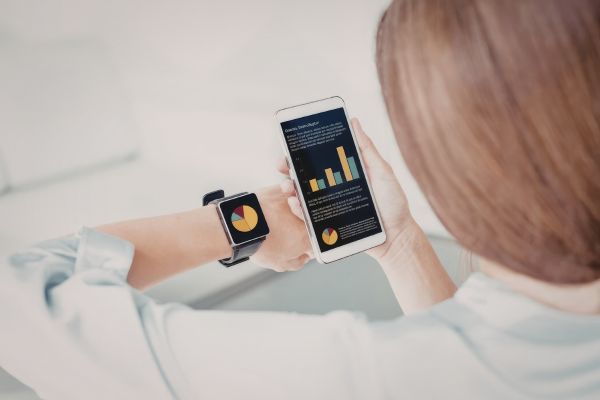
There was a time when improving athletic performance meant relying almost entirely on instinct, repetition, and the occasional stopwatch. Today, that picture has changed dramatically. Performance tracking devices have quietly reshaped how athletes train, recover, and understand their own bodies. From casual runners to elite professionals, the conversation around performance is no longer just about effort—it’s about insight.
What makes these devices so compelling isn’t just the data they collect, but the way they reveal patterns that would otherwise go unnoticed. A slight dip in recovery, a subtle imbalance in movement, or even the quality of sleep the night before a game—all of it now contributes to the bigger picture.
The Evolution of Performance Tracking Devices
Performance tracking devices didn’t appear overnight in their current sophisticated form. Early tools were simple—heart rate monitors strapped around the chest or basic pedometers clipped onto clothing. They offered limited snapshots of activity, often lacking context or depth.
Over time, advancements in sensor technology, connectivity, and data analytics transformed these tools into intelligent companions. Modern devices can track everything from heart rate variability and oxygen saturation to stride efficiency and muscle load. The shift has been gradual but profound, turning raw data into meaningful insights.
This evolution reflects a broader change in sports culture. Training is no longer just about pushing harder; it’s about training smarter.
Wearables That Stay With You
One of the most recognizable categories of performance tracking devices is wearable technology. These include smartwatches, fitness bands, and specialized athletic wear embedded with sensors. What sets them apart is their ability to stay with the athlete throughout the day, not just during training sessions.
Wearables capture continuous data, offering a more complete understanding of how the body responds to both activity and rest. For instance, tracking sleep cycles alongside training intensity can reveal whether an athlete is truly recovering or merely pushing through fatigue.
There’s also something intuitive about wearables. They fit seamlessly into daily life, quietly collecting information without interrupting routines. Over time, this consistency builds a detailed narrative of performance, one that goes beyond isolated workouts.
GPS Devices and Movement Analysis
For athletes who rely heavily on movement—runners, cyclists, football players—GPS-enabled performance tracking devices have become indispensable. These tools map distance, speed, elevation, and route patterns with remarkable precision.
But the real value lies deeper. By analyzing movement data, athletes can identify inefficiencies or inconsistencies in their performance. A runner might notice a gradual slowdown in the final stretch of a route, while a cyclist could detect variations in cadence on different terrains.
This level of awareness changes how training is approached. Instead of guessing what went wrong, athletes can pinpoint specific moments and adjust accordingly. It turns performance into something measurable, almost tangible.
Biometric Sensors and Internal Insights
While GPS devices focus on external performance, biometric sensors dive into the internal workings of the body. These performance tracking devices monitor metrics like heart rate variability, respiration rate, and even stress levels.
What makes these insights powerful is their predictive nature. A drop in heart rate variability, for example, can signal fatigue or overtraining before it becomes obvious. Athletes can then adjust their routines proactively, reducing the risk of injury or burnout.
There’s a quiet sophistication in how these sensors operate. They don’t just react to performance—they anticipate it. And in sports, that can make all the difference.
Smart Clothing and Embedded Technology
Another fascinating development is the rise of smart clothing. Unlike traditional wearables that sit on the wrist or chest, these garments integrate sensors directly into the fabric.
This approach allows for more detailed tracking of muscle activity, posture, and movement patterns. For example, compression shirts can monitor how muscles engage during exercise, offering insights into technique and efficiency.
There’s also a subtle advantage here. Because the technology is built into clothing, it feels less intrusive. Athletes can focus entirely on their performance, while the device quietly gathers data in the background.
It’s a reminder that innovation doesn’t always have to be visible to be impactful.
Performance Tracking in Team Sports
In team sports, performance tracking devices take on a slightly different role. Instead of focusing solely on individual metrics, they help coaches and trainers understand group dynamics.
Players often wear small GPS trackers during training and matches, allowing teams to monitor movement patterns, workload, and positional behavior. This data can reveal how players interact on the field, how strategies unfold, and where adjustments might be needed.
What’s interesting is how this information bridges the gap between intuition and analysis. Coaches still rely on experience, but now they have data to support or challenge their decisions. It adds a layer of clarity to a game that often feels unpredictable.
The Role of Recovery Monitoring
Performance isn’t just about what happens during training—it’s also about what happens afterward. Recovery has become a central focus, and performance tracking devices play a key role in understanding it.
By monitoring sleep quality, resting heart rate, and stress levels, these devices provide a window into how well the body is recovering. Patterns begin to emerge. An athlete might notice that certain training intensities require longer recovery periods, or that poor sleep impacts performance more than expected.
This awareness encourages a more balanced approach to training. Instead of constantly pushing limits, athletes learn to respect the rhythms of their bodies. It’s a shift that feels both modern and, in a way, deeply human.
Data Interpretation and the Human Element
For all their sophistication, performance tracking devices are only as useful as the insights they provide. Raw data, on its own, can be overwhelming. The real challenge lies in interpreting that data in a meaningful way.
Many devices now offer simplified summaries, translating complex metrics into actionable recommendations. But there’s still a human element involved. Athletes must learn to listen to both the data and their own instincts.
Sometimes, the numbers tell one story while the body tells another. Finding the balance between the two is part of the journey. It’s not about replacing intuition, but enhancing it.
Accessibility and Everyday Athletes
One of the most encouraging aspects of modern performance tracking devices is their accessibility. What was once reserved for elite athletes is now available to everyday individuals.
Whether it’s a weekend runner tracking distance or someone trying to improve general fitness, these devices offer valuable insights. They make performance tracking feel less exclusive and more inclusive.
This democratization of technology has quietly changed how people engage with sports and fitness. It’s no longer just about competition—it’s about personal growth and understanding.
The Future of Performance Tracking Devices
Looking ahead, the future of performance tracking devices feels both exciting and uncertain. Technology continues to evolve, with new sensors, improved accuracy, and deeper integration with artificial intelligence.
We may see devices that can predict injuries with greater precision or offer real-time feedback during training. There’s also growing interest in combining physical data with mental and emotional metrics, creating a more holistic view of performance.
At the same time, questions about data privacy and over-reliance on technology remain. As these devices become more advanced, finding a balance between innovation and responsibility will be essential.
A New Perspective on Performance
Performance tracking devices have done more than just introduce new tools—they’ve reshaped how we think about performance itself. It’s no longer just about results, but about understanding the process behind those results.
There’s something quietly transformative about being able to see patterns that were once invisible. It encourages curiosity, reflection, and a deeper connection with one’s own capabilities.
And yet, for all the data and technology, the essence of sports remains unchanged. Effort, discipline, and passion still matter. The difference is that now, athletes have a clearer lens through which to view their journey.
Conclusion
Performance tracking devices have become an integral part of modern sports, offering insights that were once unimaginable. They bridge the gap between effort and understanding, turning abstract concepts like endurance and recovery into measurable realities.
What makes them truly valuable, though, isn’t just the data they provide—it’s the perspective they offer. They invite athletes to look closer, think deeper, and train with greater awareness.
As technology continues to evolve, these devices will likely become even more sophisticated. But at their core, their purpose will remain the same: to help athletes better understand themselves.
And in that understanding, there’s a quiet kind of progress—one that goes beyond numbers and touches something more fundamental about the human pursuit of performance.