
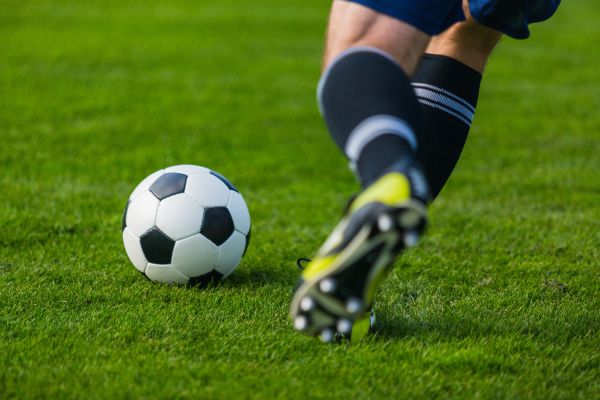
Soccer has a rhythm that pulls the whole body into motion. A player is rarely still for long. One moment they are jogging into space, the next they are sprinting, cutting, jumping, landing, shielding the ball, or stretching for a pass that is just slightly out of reach. That constant change is part of what makes the game so exciting, but it is also why injuries are so common across all levels of play.
Injury prevention for soccer players is not about playing cautiously or taking the energy out of the sport. It is about preparing the body well enough to handle the demands of the game. Strong muscles, mobile joints, sharp balance, good recovery habits, and smart training choices all work together. When those pieces are ignored, even talented players can find themselves dealing with avoidable strains, sprains, and overuse problems.
Soccer will always carry some injury risk. No warm-up, exercise plan, or pair of boots can remove it completely. Still, many injuries can be reduced with better habits and a more thoughtful approach to training and match preparation.
Understanding Why Soccer Injuries Happen
Soccer injuries often come from sudden movement. A quick turn, awkward landing, late tackle, or explosive sprint can place heavy stress on the ankles, knees, hips, hamstrings, and groin. These moments happen fast, and the body has to react even faster.
Some injuries are contact-related, especially when players collide, challenge for the ball, or fall during a tackle. Others develop more quietly. A player may feel a little tightness in the hamstring after training, ignore it for a few days, and then suddenly pull up during a sprint. Overuse injuries can be frustrating because they rarely arrive with one obvious moment. They build slowly through repeated stress, poor recovery, or training loads that increase too quickly.
Young players may be especially vulnerable because their bodies are still growing. Adult players, on the other hand, often deal with tightness, fatigue, or old injuries that have never fully settled. In both cases, the goal is the same: help the body move better, recover properly, and stay ready for the unpredictable nature of the game.
Start With a Proper Warm-Up
A good warm-up is one of the simplest and most effective habits for injury prevention. It should not feel like a rushed formality before the “real” session begins. The warm-up is where the body shifts from rest into performance mode.
Light jogging, mobility work, dynamic stretches, and gradually faster movements can help raise body temperature and prepare the muscles for action. Soccer-specific warm-ups should include movements that resemble the game itself, such as side shuffles, high knees, controlled changes of direction, gentle accelerations, and ball work at a moderate pace.
Static stretching, where a position is held for a long time, is usually better saved for after training or separate flexibility sessions. Before a match or intense practice, the body needs movement, not stillness. Dynamic preparation helps the nervous system wake up and improves coordination, which matters when a player has to react quickly under pressure.
A proper warm-up also gives players a chance to notice how they feel. Tight calf? Heavy legs? Slight discomfort in the groin? These small signals are easier to catch before intensity rises.
Build Strength Beyond the Soccer Field
Soccer players need more than skill and stamina. Strength is a major part of staying injury-resistant. Strong muscles help absorb force, support joints, and keep the body stable during sudden movements.
Leg strength is especially important. The hamstrings, quadriceps, glutes, calves, and hip muscles all play a role in sprinting, cutting, jumping, and tackling. Weakness in one area can place extra stress somewhere else. For example, poor hip strength may affect knee control during landing or turning. Weak hamstrings may increase the risk of strains during high-speed running.
Core strength also matters, though it is often misunderstood. A strong core does not simply mean visible abdominal muscles. It means the trunk can stay stable while the legs and arms move powerfully. In soccer, that stability helps with balance, shooting, shielding the ball, and absorbing contact.
Strength training does not have to be extreme. Bodyweight exercises, resistance bands, controlled squats, lunges, hip bridges, calf raises, and hamstring-focused movements can all help. The key is consistency. A little strength work done regularly is far more useful than a hard session squeezed in only once in a while.
Pay Attention to Balance and Control
Many soccer injuries happen when the body loses control for a split second. A knee caves inward during a landing. An ankle rolls during a change of direction. A player reaches for the ball while off balance and twists awkwardly.
This is why balance and coordination exercises deserve attention. Single-leg work is especially helpful because soccer is full of one-legged actions. Players pass, shoot, jump, land, and change direction while shifting weight from one side to the other.
Simple exercises such as standing on one leg, single-leg squats, controlled step-downs, and balance drills with ball touches can improve body awareness. These movements teach the joints and muscles to respond quickly and stay aligned. Over time, better control becomes automatic during play.
Good movement quality is more important than rushing through exercises. A player who can control the knee, hip, and ankle during slow movements is more likely to handle faster movements safely.
Do Not Ignore Flexibility and Mobility
Soccer players often develop tightness in predictable areas: hips, hamstrings, calves, lower back, and groin. Some tightness is normal, especially after hard training, but limited mobility can change how a player moves.
For example, tight hip flexors may affect stride length and posture. Tight calves may place extra stress on the Achilles tendon. Stiff hips can make twisting and changing direction feel less smooth. When movement becomes restricted, other parts of the body may compensate.
Mobility work should be part of the weekly routine, not something used only after pain appears. Gentle stretching after training, foam rolling, hip mobility drills, and controlled range-of-motion exercises can all support better movement.
The aim is not to become overly flexible. Soccer players need usable mobility, the kind that allows them to move freely while still staying strong and controlled.
Manage Training Load Carefully
One of the most overlooked parts of injury prevention for soccer players is managing workload. Players often get injured not because they trained hard once, but because they trained too much too soon.
A sudden jump in intensity, extra matches, back-to-back tournaments, or returning too quickly after a break can overwhelm the body. Muscles, tendons, and joints need time to adapt. When the workload rises faster than the body can handle, injury risk increases.
This is especially common after holidays, pre-season breaks, or time away due to illness or injury. A player may feel mentally ready to return at full speed, but the body may not be prepared. Gradual progression is safer. Training intensity, sprinting volume, and match minutes should increase step by step.
Rest days are not a sign of weakness. They are part of the process. A tired body reacts more slowly, moves less cleanly, and recovers poorly. Fatigue can turn a normal challenge or sprint into an injury moment.
Wear the Right Footwear for the Surface
Soccer boots matter more than many players realize. The wrong footwear can affect traction, stability, and joint stress. A boot that grips too much on a certain surface may increase twisting forces, while one that does not grip enough can lead to slipping and awkward falls.
Players should match their boots to the playing surface whenever possible. Firm ground, soft ground, turf, and indoor surfaces all place different demands on the feet. Wearing studs designed for one surface on another can create unnecessary risk.
Fit is also important. Boots should feel secure without squeezing the foot. Loose footwear can cause sliding inside the shoe, while overly tight boots may lead to blisters, discomfort, or altered movement.
Take Small Pain Seriously
Many players are used to playing through discomfort. That attitude is sometimes admired in sport, but it can be risky. There is a difference between normal effort and warning pain.
A little muscle soreness after a hard session is common. Sharp pain, increasing tightness, swelling, limping, or discomfort that changes movement should not be ignored. Playing through early warning signs can turn a minor issue into a longer injury.
This is particularly true for hamstring, groin, knee, and ankle problems. These areas are heavily used in soccer, and small issues can worsen quickly under match intensity. When pain appears, reducing load, resting, or getting proper assessment may save weeks of frustration later.
Players should learn to be honest with themselves. If movement feels different because of pain, the body is already compensating.
Recovery Is Part of Performance
Recovery is not just what happens after the game. It is one of the foundations of staying healthy. Sleep, hydration, nutrition, and post-training care all influence how well the body repairs itself.
Sleep is especially powerful. Poor sleep affects reaction time, coordination, mood, and muscle recovery. A player who consistently sleeps badly may train hard but adapt poorly. Hydration also matters, particularly in hot conditions or during long sessions. Dehydration can contribute to fatigue, cramping, and reduced focus.
Food plays its part too. The body needs enough energy, protein, carbohydrates, and micronutrients to repair tissues and support training. Skipping meals or under-fueling can leave players more tired and less resilient.
After matches, light movement, gentle stretching, and proper refueling can help the body settle. Recovery does not need to be complicated. It simply needs to be respected.
Return From Injury With Patience
One of the easiest ways to get injured again is to rush back too soon. When a player starts feeling better, it is tempting to return straight into full training or competition. But pain-free walking is not the same as being ready for sprinting, cutting, tackling, and shooting.
A safe return should rebuild strength, mobility, balance, and soccer-specific movement gradually. The injured area must be able to handle real game demands, not just basic daily activity.
Confidence also needs time. After injury, some players move cautiously without realizing it. This can change their mechanics and place stress on other areas. A thoughtful return helps both the body and mind regain trust.
Creating a Prevention Mindset
Injury prevention works best when it becomes part of the soccer lifestyle. It should not feel like an extra chore that only matters after someone gets hurt. Warm-ups, strength work, mobility, recovery, and smart training habits all connect.
Coaches, parents, and players can help create this mindset. Younger athletes should learn early that preparation is part of the game. Adult players should remember that experience does not replace physical maintenance. Even skilled players need strong, well-prepared bodies.
The best prevention habits are often ordinary. Warming up properly. Sleeping enough. Building strength. Listening to pain. Choosing the right footwear. Taking recovery seriously. None of these are dramatic, but together they can make a real difference.
Conclusion
Soccer asks a lot from the body. It demands speed, stamina, balance, strength, coordination, and courage, often all within the same few seconds. That is why injury prevention for soccer players needs to be practical and consistent rather than complicated.
No player can control every tackle, bounce, or landing. Injuries may still happen. But many risks can be reduced by preparing well, training smart, recovering properly, and paying attention to the body’s early warning signs.
The players who stay healthy longest are not always the ones who train the hardest every day. More often, they are the ones who understand when to push, when to recover, and how to care for the body that carries them through the game. Good injury prevention does not take anything away from soccer. It helps players enjoy more of it.