
Finding the right youth sports league can feel surprisingly complicated, especially if you are new to a community or navigating youth sports for the first time. Parents often imagine there is a simple directory somewhere that lists every local option, but in reality, youth leagues tend to be scattered across schools, parks, community groups, and informal networks. The good news is that with a little patience and a thoughtful approach, discovering the right fit is very achievable.
Understanding how to find local youth leagues is less about quick searches and more about learning how youth sports ecosystems actually work. Once you know where to look and who to ask, the process becomes far more manageable and even enjoyable.
Understanding the Landscape of Youth Sports
Youth sports are usually organized at the community level, not through national systems that filter neatly into local areas. Some leagues are tied to school districts, others to city recreation departments, and many operate independently through parent-run organizations or nonprofit groups. This decentralized structure can make youth leagues harder to spot online, but it also means there is often a wide range of options to suit different interests and skill levels.
Another important thing to understand is that not all leagues advertise aggressively. Some rely almost entirely on word of mouth, while others update their websites only once or twice a year. This is why a flexible, multi-step approach works better than relying on a single method.
Starting With Your Local Community
One of the most reliable ways to begin is by looking closely at your immediate community. Neighborhoods, towns, and cities often host youth leagues that prioritize local participation. Community centers, recreation halls, and public parks frequently serve as hubs for youth sports, even if they are not the official organizers.
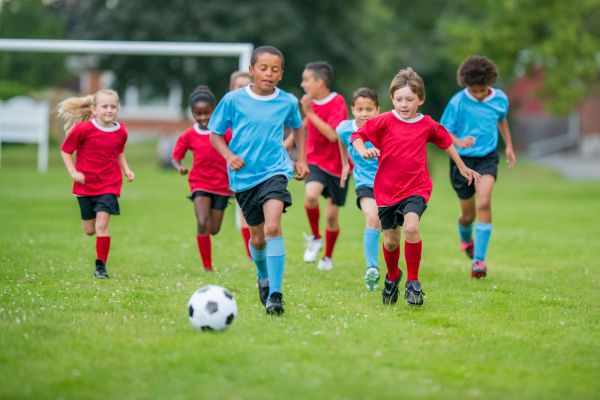
Spending time at local parks during evenings or weekends can reveal a lot. If you see groups of kids practicing or playing organized games, chances are there is a league behind it. Coaches and parents are usually approachable and happy to share information, especially if they see genuine interest.
Community bulletin boards, whether physical or online, can also be surprisingly helpful. Libraries, grocery stores, and coffee shops sometimes post flyers about upcoming registration periods that never make it onto large websites.
Using Schools as an Information Gateway
Schools play a central role in youth sports, even for leagues that are not officially school-run. Teachers, coaches, and school administrators often know which programs are active in the area. School newsletters, parent emails, and after-school announcements can point you toward leagues you might otherwise miss.
If your child attends school locally, asking the physical education teacher or front office staff can open doors quickly. Even private or homeschool networks tend to have connections to community sports programs, making schools an underrated but powerful resource.
Searching Online With a Local Mindset
Online searches are still useful, but they work best when done thoughtfully. Generic searches often surface national organizations rather than the local leagues you are actually trying to find. Adding your city, neighborhood, or even a nearby park name to searches can make a big difference.
Social media platforms deserve special attention. Local parent groups, neighborhood forums, and community pages often share league announcements and registration reminders. These posts can feel informal, but they are often the most accurate and up-to-date sources available.
Local government websites can also help. Many cities and counties list youth programs through their parks and recreation departments. While these pages may not look polished, they often contain solid information about seasonal leagues and registration timelines.
Talking to Other Parents and Caregivers
Few resources are as valuable as other parents. Conversations at playgrounds, school pickup lines, birthday parties, or community events can lead to insights that no search engine will provide. Parents tend to be honest about their experiences, sharing both positive and challenging aspects of different leagues.
These conversations also help you understand the culture of a league, not just its existence. You may learn which programs emphasize fun over competition, which are more structured, and which require significant time commitments. This kind of context is essential when deciding what is right for your child.
Exploring Recreation Departments and Local Organizations
City and county recreation departments are often responsible for organizing youth sports, especially for younger age groups. These programs tend to be affordable and inclusive, making them a popular starting point. Visiting a recreation office in person or calling during business hours can uncover programs that are not well advertised online.
Nonprofit organizations and faith-based groups also run many youth leagues. While these programs may not appeal to everyone, they often provide strong community connections and consistent scheduling. Even if a particular organization is not the right fit, they may know of other leagues in the area.
Understanding Registration Cycles and Timing
One of the most frustrating parts of finding youth leagues is discovering them after registration has already closed. Many leagues operate on seasonal schedules, with sign-ups happening weeks or months before games begin. This can make it seem like no options exist when, in reality, you are simply between cycles.
Keeping a rough calendar in mind helps. Fall sports often register in late summer, winter sports in early fall, and spring sports during the winter months. Once you know these patterns, you can start looking ahead rather than scrambling at the last minute.
Some leagues do allow late registration or maintain waitlists. Reaching out directly can sometimes secure a spot, especially if teams need additional players.
Evaluating Fit Beyond Availability
Finding a league is only the first step. The right league should align with your child’s interests, personality, and experience level. Some children thrive in competitive environments, while others prefer a relaxed, social atmosphere. There is no universal best option, only what works best for a particular family.
Observing a practice or game before committing can provide valuable insight. Pay attention to how coaches communicate, how players interact, and whether the environment feels supportive. These subtle details often matter more than league reputation or size.
Navigating Challenges and Setbacks
It is common to hit dead ends while learning how to find local youth leagues. Websites may be outdated, phone numbers disconnected, or emails unanswered. While frustrating, this is usually a reflection of volunteer-run organizations rather than disinterest.
Persistence matters. Following up, asking multiple sources, and staying open to alternatives often leads to success. Sometimes the best league is one you had not originally considered, offering a better fit than the option you were initially searching for.
Building Long-Term Awareness
Once you have found one league, staying informed becomes much easier. You start to recognize names, schedules, and seasonal patterns. Over time, you build a mental map of the youth sports landscape in your area.
Keeping notes, saving contact information, and joining relevant community groups can make future searches far simpler. Even if your child changes interests or sports, the groundwork you have laid continues to pay off.
A Thoughtful Way Forward
Learning how to find local youth leagues is ultimately about connection. It is about engaging with your community, listening to shared experiences, and being patient with a system that runs on enthusiasm more than efficiency. While the process can feel scattered at first, each conversation and search adds clarity.
By approaching the search with curiosity rather than urgency, you not only increase your chances of finding the right league but also become more connected to the community around you. In the end, youth sports are not just about the game being played; they are about belonging, growth, and shared moments that extend far beyond the field.