
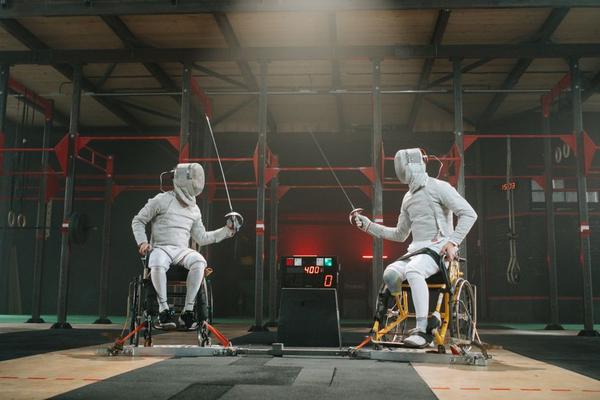
The Olympics and Paralympics are closely connected multi-sport events, but they are not the same competition with different athletes. Each has its own governing body, eligibility rules, sport programme, qualification systems, records, medals, and competitive structure. They are usually staged in the same host region and often share venues and organizing resources, which is why the two events can look similar from the outside. The key differences become clear when you compare who can compete, how athletes are grouped, and how each Games is governed.
What Is the Main Difference Between the Olympics and Paralympics?
The central difference is athlete eligibility. Olympic athletes qualify according to the rules of their international federation and National Olympic Committee. Depending on the sport, qualification may involve rankings, qualifying times, designated events, quotas, or selection standards. Olympic participation is not built around an impairment-classification system.
Paralympic athletes must meet their sport’s qualification requirements and also satisfy Para sport eligibility and classification rules. Classification determines whether an athlete has an eligible impairment for a particular sport and, when applicable, places that athlete in a sport class. Because impairments affect different sports in different ways, classification is sport-specific rather than one identical system across every event.
Olympic vs Paralympic Governing Bodies
The Olympic Games are led by the International Olympic Committee, or IOC, which leads the Olympic Movement. The Paralympic Games are led by the International Paralympic Committee, or IPC, which oversees the Paralympic Movement and sets frameworks for the Games, including classification standards.
International sport federations also have roles in both systems. They administer sports, set competition rules, and help establish qualification pathways. In Para sport, relevant international federations additionally operate classification systems that must comply with the IPC Classification Code and applicable standards.
How Athlete Eligibility and Classification Differ
An Olympic athlete generally competes under the standard categories used by that sport, such as sex, weight category, event discipline, or qualification level where relevant. An athlete with a disability can compete in the Olympics if the athlete meets the sport’s Olympic eligibility and qualification standards; disability itself does not automatically place someone in the Paralympics instead.
The Paralympic Games use a more specialized framework. An athlete must have an impairment that is eligible for the chosen Para sport and meet that sport’s minimum impairment criteria. Classification then groups athletes with the aim of reducing how much the outcome is determined by impairment and increasing the importance of sporting performance.
A practical example is Para athletics. Two athletes may both have physical impairments yet compete in different classes because those impairments affect running, jumping, throwing, balance, coordination, or movement differently. That is why a Paralympic final cannot be understood simply as the same event for athletes with disabilities; the class is part of the competition structure.
Do the Olympics and Paralympics Have the Same Sports?
There is substantial overlap, but the programmes are not identical. Both include sports such as athletics, swimming, cycling, rowing, archery, badminton, table tennis, taekwondo, and triathlon, although Para versions may use adapted rules, equipment, event formats, or classifications.
The Paralympic programme also includes sports with no direct Olympic counterpart. Boccia and goalball are examples. Goalball is designed for athletes with vision impairment, while boccia is a precision ball sport for athletes with eligible impairments.
This is why an olympic games comparison based only on sport names can be misleading. Some events share a recognizable sporting foundation, while others were developed specifically within the Para sport system.
Schedules, Host Cities, and Venues
The modern Olympics and Paralympics are operationally linked. Host arrangements commonly cover both events, and the same organizing structure can support the Olympic and Paralympic Games. Competition venues, athlete accommodation, transport systems, media facilities, and other infrastructure may be reused or adapted.
They are still separate Games. The Olympics are held first, followed by a transition period and then the Paralympics. Each has its own ceremonies, competition schedule, medal events, athlete entries, records, and results. A stadium may host Olympic athletics and later Para athletics, but those competitions belong to different Games.
Qualification Works Differently Too
Olympic qualification varies by sport and may depend on rankings, qualifying standards, tournaments, team results, host places, or quota allocations. Athletes are typically entered through National Olympic Committees working with national federations.
Paralympic qualification also varies by sport. National Paralympic Committees enter athletes, while international federations define sport-specific eligibility, qualification criteria, and classification requirements. Meeting a classification requirement does not itself guarantee a Paralympic place; the athlete must still earn or receive a qualifying slot under the applicable system.
Equipment and Rule Adaptations in Para Sports
Some para sports closely resemble their Olympic counterparts, while others use specialized equipment or modified rules. Racing wheelchairs, sport prostheses, handcycles, throwing frames, guide runners, tactile markings, and audible balls may be used depending on the sport and class.
These adaptations are not designed to make competition easier. They create a structured environment in which athletes can compete under rules suited to the functional demands of the event. Anyone comparing paralympics vs olympics should look beyond adaptive equipment and focus on how each sport defines fair competition.
Are Paralympic Medals Equivalent to Olympic Medals?
Olympic and Paralympic medals are awarded within separate competitions. A Paralympic gold medal is the highest achievement in a Paralympic medal event, while an Olympic gold medal is the highest achievement in an Olympic medal event. Medal tables, records, qualification systems, and event histories are maintained separately.
It is therefore inaccurate to describe the Paralympics as a secondary division of the Olympics. They are distinct elite Games within connected international sporting movements, each with its own athletes, rules, and competitive pathways.
For related reading, explore Olympic sports explained, how Paralympic classification works, and the history of the Paralympic Games.
Frequently Asked Questions
Can an athlete compete in both the Olympics and Paralympics?
Yes. It is possible if an athlete independently meets the eligibility and qualification requirements for both competitions. Paralympic eligibility does not automatically exclude someone from Olympic competition.
Why do Paralympic athletes compete in different classes?
Classification groups eligible athletes according to how their impairment affects performance in a specific sport. The aim is to limit the competitive impact of impairment so sporting ability and performance play the deciding role.
Are all Olympic sports included in the Paralympics?
No. Many sports appear in both programmes in Olympic and Para forms, but the lists are not identical. The Paralympic Games also include sports such as boccia and goalball that do not have Olympic counterparts.
Are the Olympics and Paralympics organized by the same body?
No. The IOC leads the Olympic Movement and Olympic Games, while the IPC leads the Paralympic Movement and Paralympic Games. Host organizing structures and venues may be shared, but governance remains distinct.
Olympics vs Paralympics: The Bottom Line
The clearest way to compare the Olympics vs Paralympics is to see them as separate multi-sport events that are connected at the hosting and operational level. The Olympics use sport-specific qualification without a Para classification framework. The Paralympic Games combine sport qualification with eligible-impairment and classification rules specific to Para sports. They may share cities, venues, and attention, but their governance, athlete pathways, sport programmes, and competition structures remain distinct.