
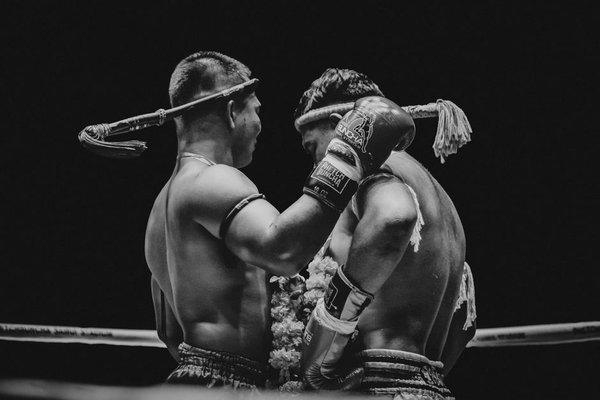
From a distance, Muay Thai and kickboxing can look almost identical: gloves, powerful punches, hard kicks, and two athletes trying to control the ring. Watch closely, though, and the differences become clear. The biggest distinction in Muay Thai vs kickboxing is not which sport kicks harder. It is what fighters can do when the distance closes, and how those choices shape the fight.
Both are striking martial arts, but neither name describes one universal rulebook. Muay Thai competitions generally permit a broader range of standing attacks, while kickboxing includes several formats with different restrictions. That matters when comparing techniques, training, or competition footage.
Muay Thai vs Kickboxing: The Main Differences
Muay Thai is called the art of eight limbs because it uses punches, kicks, knees, and elbows. It also emphasizes clinch fighting: controlling an opponent while standing, landing short-range strikes, and disrupting balance.
Kickboxing typically prioritizes punches and kicks, often with rapid combinations and frequent resets to striking distance. Modern K-1-style and GLORY-style kickboxing also permit certain knee strikes. However, elbows and extended Muay Thai-style clinching are generally prohibited.
Here is the practical comparison: a Muay Thai fighter may catch a kick, manage the opponent’s posture, and work for a legal off-balancing technique. Under many kickboxing rules, that sequence would be restricted or interrupted by the referee.
Legal Strikes and Competition Rules
What Muay Thai Rules Allow
Under full-contact Muay Thai rules, legal techniques typically include punches, round kicks, push kicks called teeps, knees, elbows, and permitted clinch maneuvers. Certain sweeps or off-balancing actions are allowed, but this does not make every wrestling throw legal. Rules commonly restrict hip throws, dangerous joint attacks, and striking a grounded opponent.
Equipment, round structure, elbow permissions, and scoring details can differ between traditional stadium bouts, international amateur competition, and individual promotions. Junior and novice divisions may introduce additional protections.
What Kickboxing Rules Allow
Kickboxing rules depend on the discipline. American full-contact formats historically focused on punches and kicks above the waist. Low-kick kickboxing permits attacks to the legs. K-1-style competition adds knee strikes and low kicks, with restrictions on holding, catching kicks, and clinch work that vary by organization.
That means “kickboxing has no knees” is misleading. A better question is which federation or promotion is sanctioning the match. Across major modern kickboxing formats, elbow strikes are generally not legal.
How the Techniques Change the Fight
Clinch Work and Elbows
The clinch is the clearest technical separator. In Muay Thai, a fighter can use head and arm positioning to affect posture, create space for knees, and set up permitted turns or sweeps. It is an attacking range in its own right, not simply a pause between exchanges.
In kickboxing, referees generally separate fighters sooner. Even where a brief knee attack from a limited clinch is permitted, prolonged wrestling for position is not. This rewards athletes who can score, exit, and rebuild striking combinations quickly.
Footwork, Stance, and Defense
Traditional Muay Thai often features an upright stance that makes checking low kicks, lifting the lead leg for a teep, and defending knees more accessible. Kickboxers may use a more mobile, boxing-influenced approach, especially when linking punches to low kicks.
These are tendencies, not fixed identities. Dutch-style kickboxing is famous for punch-to-kick combinations, but Muay Thai fighters also box aggressively. Both sports use head movement, guards, distance management, and angles; athletes adapt them to the threats their rules permit.
For example, slipping deeply into punching range can work in a boxing-heavy exchange. In Muay Thai, the same movement needs extra care because an opponent may answer with a knee or elbow. The available weapons change what counts as a safe defensive habit.
Pacing, Scoring, and Ring Strategy
Kickboxing bouts often emphasize combination punching, low kicks, visible damage, and active engagement. Muay Thai can feature more measured exchanges, especially when fighters test timing, balance, and responses before committing to heavy kicks or clinch entries.
Scoring is where generalizations get risky. In many traditional Thai settings, clean kicks, knees, balance, and the visible effect of techniques can carry considerable weight. International Muay Thai rules also recognize clean, effective legal punches, kicks, knees, and elbows. Kickboxing judges likewise assess effective strikes, but the hierarchy, knockdown rules, and treatment of aggression depend on the sanctioning body.
Imagine one fighter throwing a punching combination that largely hits the guard, while another lands a clean body kick and stays balanced. The second exchange may be more valuable than its quieter appearance suggests. Still, no single scoring shortcut applies to every event.
What Training Feels Like in Each Sport
Both gyms commonly use pad work, heavy bags, partner drills, conditioning, and controlled sparring. Muay Thai classes are more likely to spend time on elbows, teeps, checking kicks, and clinch positioning. Kickboxing classes may devote more rounds to boxing combinations, quick entries and exits, and punch-kick transitions.
Neither is automatically better for fitness or self-defense. Coaching quality, contact level, safety culture, and consistent attendance matter more than the label on the door. A beginner should look for a class that teaches defense and control before hard sparring.
To test the difference, watch how a gym handles the end of a punching combination. Does the coach encourage a knee and controlled clinch entry, or a low kick followed by a clean exit? That cue can reveal the style more reliably than branding. For related techniques, explore guides to checking low kicks, the Muay Thai teep, and beginner striking footwork.
Which One Should You Choose?
Choose Muay Thai if you want to learn elbows, extended clinch work, and a wider selection of standing striking tools. Choose kickboxing if you enjoy boxing-led combinations and a ruleset that usually limits grappling in the clinch. If you hope to compete, find out which rule format local events use.
Visit a reputable gym and try a beginner session. The best option is the one with attentive instruction, sensible progression, and training partners who respect your experience level.
Frequently Asked Questions
Is Muay Thai more dangerous than kickboxing?
Both are contact sports with risks, including concussion and other injuries. Elbows and longer clinch exchanges introduce different hazards in Muay Thai, but actual risk depends on rules, protective equipment, sparring intensity, and supervision.
Does kickboxing allow knee strikes?
Some forms do. K-1-style and GLORY-style kickboxing permit knees under specific conditions, while other disciplines prohibit them. Check the event’s current rules.
Can Muay Thai fighters compete in kickboxing?
Yes, many do, but they must adapt their habits. Elbows, extended clinches, and some kick-catching responses may be illegal in kickboxing, so timing and combination choices need adjustment.
Which is easier for beginners to learn?
Neither is universally easier. Kickboxing may introduce fewer close-range techniques in some classes, while Muay Thai offers a broader toolkit. A well-run beginner program matters more than the art’s name.
The Bottom Line
The best way to understand kickboxing vs Muay Thai is to compare the legal techniques, clinch restrictions, and scoring criteria of the actual bout. Muay Thai usually offers more options at close range; kickboxing generally favors faster separation and punch-kick exchanges. Both reward skill, timing, and intelligent defense, and both can be excellent paths into striking sports.