
Eating enough protein without meat, fish, eggs, or dairy is achievable, even when training gets serious. The challenge is usually practical: fitting protein-rich foods into busy days while leaving room for carbohydrates and calories that power workouts. A useful plant-based protein plan considers the entire day, not just a shake after the gym.
Set a daily target that matches your training
Most regularly training athletes can use roughly 1.4–2.0 grams of protein per kilogram of body weight daily as a starting range, adjusting for goals, workload, and energy intake. For a 70-kilogram athlete, that means approximately 98–140 grams. Not everyone needs the upper end, and more protein does not automatically produce more muscle.
Review an ordinary training day and identify meals contributing little protein. Breakfast and snacks are often easier to improve than dinner. Athletes restricting calories, recovering from injury, or managing medical conditions may need guidance from a qualified sports dietitian.
Choose plant protein foods that deliver
Build meals around substantial sources
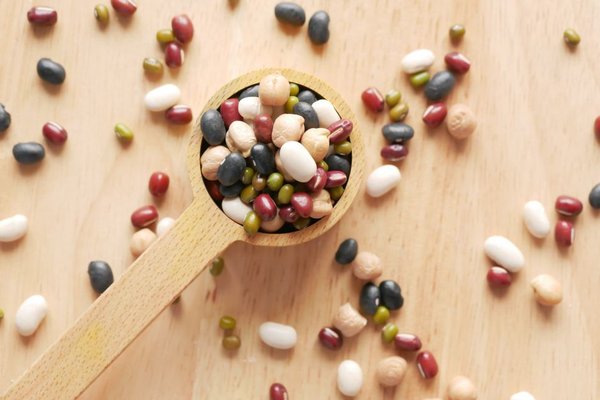
Tofu, tempeh, edamame, lentils, chickpeas, beans, seitan, and soy products can carry the protein load. A cup of cooked lentils supplies roughly 18 grams, a cup of cooked edamame around 18 grams, and 100 grams of tempeh often about 18–20 grams. Firm tofu varies by brand and water content, so check the label.
Whole grains, nuts, and seeds add useful protein, but are not always efficient main sources. Peanut butter provides some protein, yet considerable fat and energy for a modest serving. For substantial vegan athlete protein at lunch, generous beans or soy foods work better than relying on a sprinkling of seeds.
Understand protein quality without complicated rules
Protein quality partly reflects essential amino acids and digestibility. Soy supplies all essential amino acids in useful amounts. Other plant proteins may contain comparatively less of certain amino acids: lysine in many grains, for example, or methionine in legumes. That does not make those foods unsuitable for athletes.
Variety across the day helps cover the differences. Rice and beans, hummus with wholegrain bread, or lentils alongside grains are easy combinations, but complementary proteins do not have to appear together at every meal. Total intake and variety matter more than rigid pairing rules.
Leucine helps trigger muscle protein synthesis. If a meal relies mainly on lower-protein foods, increasing its portion or adding tofu, tempeh, or soy milk can be more useful than calculating individual amino acids. This keeps choosing plant protein foods manageable.
Distribute protein across meals
Three or four protein-containing meals usually make targets easier to reach than one protein-heavy dinner. Sports nutrition guidance often suggests around 20–40 grams per eating occasion, although the right amount depends on body size, age, source, and exercise. Plant-based meals may need larger portions when their protein sources are less concentrated.
A practical day for a 70-kilogram athlete
Imagine a recreational runner who also lifts weights. Breakfast could be tofu scramble with wholegrain toast, providing roughly 25–30 grams. Lunch might pair a cup of lentils with quinoa and vegetables for another 25–30 grams. A snack of edamame and soy milk could add around 25 grams. Tempeh, rice, and vegetables at dinner might contribute another 25–30 grams.
That example reaches approximately 100–115 grams without protein powder. Amounts vary by portions and brands, so sample totals are estimates, not guarantees. For a higher target, increase the main protein portion or add a snack. The best meal plan fits appetite, shopping habits, and training times.
Plan timing around training, not a stopwatch
Before exercise: consider digestion
Beans, lentils, and whole grains contain fibre, which benefits health but can cause discomfort close to hard running or intervals. Before intense sessions, favour familiar, easily digested foods and sufficient carbohydrates. If your stomach is sensitive, save large bean portions for later.
After exercise: protein needs fuel beside it
A meal with protein and carbohydrate supports recovery, particularly after demanding sessions. Try rice with tofu and cooked vegetables, or a soy-milk smoothie with a banana and oats. Protein supports muscle repair; carbohydrate helps restore glycogen. Under-eating can undermine recovery even when protein is sufficient.
There is no universal requirement to drink a shake immediately after finishing. Protein before or after exercise can contribute to adaptation, while regular intake matters across the day. If your next meal is hours away or another session follows soon, a portable snack helps. Protein timing for muscle recovery is best considered alongside your overall meal pattern.
Watch the nutrients a protein tally misses
Good vegetarian sports nutrition is broader than protein alone. Fully vegan athletes need reliable vitamin B12 from supplements or appropriately fortified foods. Iron, calcium, iodine, zinc, vitamin D, and omega-3 fats also deserve attention. Individual needs vary with age, health, food choices, and training.
Combine plant iron sources with vitamin C-rich foods to support absorption. Choose fortified milk alternatives when useful, and discuss suspected deficiencies with a clinician rather than taking high-dose iron without testing. If fatigue persists, simply increasing protein may miss the cause. A review of vegan sports nutrition essentials can identify other gaps.
Is a plant protein powder necessary?
No. Soy, pea, and blended powders are convenient when travel, limited appetite, or a busy schedule makes whole-food meals difficult. Compare protein per serving and ingredients. Athletes in drug-tested sports should favour independently tested, sport-certified supplements to reduce contamination risk.
A powder cannot replace adequate meals or sleep. Before buying one, consider whether a recurring low-protein breakfast needs improvement. Stocking soy milk, canned beans, frozen edamame, tofu, and grains also makes quick recovery meals after training easier.
Frequently asked questions
Can athletes build muscle with plant-based protein?
Yes. Resistance training, sufficient energy, adequate protein, and varied plant foods can support muscle growth. Results depend on the overall training programme and diet, not whether each meal includes animal protein.
Must vegan athletes combine proteins at every meal?
No. A variety of legumes, soy products, grains, nuts, and seeds across the day can provide complementary amino acids. Very restrictive diets with limited variety may require closer planning.
Is soy protein better than pea protein?
Both can contribute. Soy has a strong essential amino acid profile; pea protein can work alone or in blends. Consider total protein intake, tolerability, serving size, and convenience instead of expecting one product to guarantee better results.
Do endurance athletes need more protein than strength athletes?
Their needs overlap and depend on workload, recovery, and energy intake. Endurance athletes must also eat enough carbohydrate; increasing protein while neglecting training fuel may be counterproductive.
Make consistency your advantage
Plant-based protein for athletes works best as a repeatable routine: set a realistic daily target, build meals around substantial protein sources, eat varied foods, and spread intake through training days. Sufficient calories, carbohydrates, sleep, and micronutrients remain essential. Once those foundations are reliable, protein timing and supplements become helpful refinements rather than the entire plan.